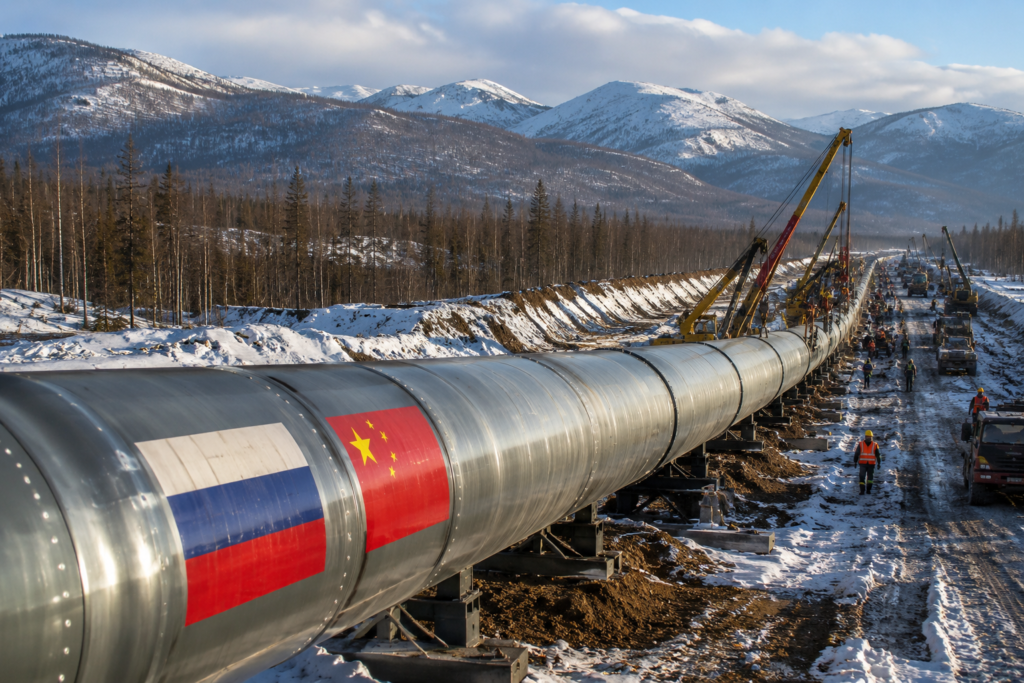

The proposed Power of Siberia 2 pipeline is becoming one of the most closely watched energy projects in the world. As Russia seeks new markets for its gas and China searches for stable energy supplies, the giant pipeline project has moved into the center of global attention.
- What Is Power of Siberia 2?
- Why Russia Wants the Pipeline So Badly: Power of Siberia 2
- Why China Is Interested in the Project: Power of Siberia 2
- Mongolia’s Important Role in the Pipeline: Power of Siberia 2
- Why the Project Has Not Been Finalized Yet: Power of Siberia 2
- How the Pipeline Could Change Global Energy Markets: Power of Siberia 2
- Environmental Concerns Around the Pipeline
- Geopolitical Impact of Russia-China Cooperation
- Final Thoughts
The project is more than just another gas pipeline. It represents shifting political alliances, changing trade routes, and a growing partnership between Russia and China at a time when global tensions remain high.
If completed, the pipeline could dramatically change how natural gas flows across Asia and Europe in the coming decades.
What Is Power of Siberia 2?
The Power of Siberia 2 is a planned natural gas pipeline that would connect gas fields in northern Russia to China through Mongolia.
The pipeline is expected to transport around 50 billion cubic metres of gas annually. That amount is close to the volume Russia once exported to Europe through the now-damaged Nord Stream pipelines.
The proposed route would begin in western Siberia, cross Mongolia, and enter northern China.
This project is separate from the original Power of Siberia pipeline, which already delivers Russian gas to China from eastern Siberia.
Why Russia Wants the Pipeline So Badly: Power of Siberia 2
Russia’s energy relationship with Europe changed dramatically after the war in Ukraine and the resulting Western sanctions.
For decades, Europe was Russia’s largest gas customer. However, many European countries reduced their dependence on Russian energy after the conflict began.
That created a major economic challenge for Moscow.
Europe’s Reduced Dependence on Russian Gas
Before the Ukraine war, Russia supplied huge amounts of natural gas to Europe. But sanctions, political tensions, and pipeline disruptions changed that relationship quickly.
As European demand fell, Russia began searching for alternative buyers.
China emerged as the most important option because:
- China has massive energy needs
- Chinese gas demand continues growing
- Russia already shares a long border with China
- Existing political ties between Moscow and Beijing remain strong
The Power of Siberia 2 project is seen by many analysts as Russia’s attempt to replace lost European markets with Asian demand.
Moscow Needs Stable Revenue
Energy exports remain one of Russia’s most important sources of income.
By securing long-term gas deals with China, Russia hopes to stabilize its economy and maintain export revenues despite Western pressure.
Russian President Vladimir Putin has repeatedly promoted closer economic ties with China as part of Moscow’s broader strategic shift toward Asia.
Why China Is Interested in the Project: Power of Siberia 2
China’s economy requires enormous amounts of energy to support industries, transportation, and growing cities.
Natural gas plays a major role in China’s energy strategy because it burns cleaner than coal.
China Wants Energy Security
Chinese leaders want reliable and diversified energy supplies.
Currently, China imports gas from several countries through pipelines and liquefied natural gas shipments. However, Beijing wants to reduce risks connected to sea routes and geopolitical tensions.
A land-based pipeline from Russia offers several advantages:
- Stable long-term supply
- Reduced shipping risks
- Lower dependence on maritime routes
- Stronger regional energy cooperation
The pipeline would also strengthen China’s ability to negotiate energy prices with other suppliers.
Cleaner Energy Goals Matter Too
China has pledged to reduce carbon emissions and improve air quality.
Although natural gas is still a fossil fuel, it produces fewer emissions than coal.
Expanding gas imports could help China reduce coal consumption while continuing economic growth.
Mongolia’s Important Role in the Pipeline: Power of Siberia 2
Mongolia sits directly between Russia and China, making it a critical part of the proposed route.
The country could benefit financially if the project moves forward.
Economic Opportunities for Mongolia
Transit pipelines can generate:
- Transit fees
- Infrastructure investment
- New jobs
- Energy development opportunities
Mongolian officials have shown support for the project because it could strengthen the country’s economy and regional importance.
At the same time, Mongolia must carefully balance relations with both Russia and China due to its geographic position.
Why the Project Has Not Been Finalized Yet: Power of Siberia 2
Despite years of discussions, the project still faces several major obstacles.
The biggest issue appears to be pricing.
China Wants Better Gas Prices
Reports suggest China has pushed for lower prices for Russian gas.
Beijing understands Russia urgently needs new markets after losing many European buyers. That gives China stronger negotiating power during talks.
China is known for driving hard bargains in long-term energy deals.
As a result, negotiations between the two countries have taken longer than expected.
Construction Costs Are Massive
Building a pipeline across thousands of kilometres is extremely expensive.
The project would require:
- Large-scale engineering work
- Compressor stations
- Cross-border infrastructure
- Environmental studies
- Long-term financing
Economic uncertainty and sanctions have also complicated financing and technology access for Russia.
How the Pipeline Could Change Global Energy Markets: Power of Siberia 2
If completed, the Power of Siberia 2 project could reshape global gas flows.
The pipeline would strengthen Asia’s role in global energy consumption while reducing Europe’s historical importance for Russian exports.
A Shift From West to East
For decades, Russian pipelines mainly supplied Europe.
Now, the focus is increasingly shifting eastward toward Asian markets.
This transformation reflects broader geopolitical changes where Asian economies are becoming more influential in global trade and energy demand.
Competition With LNG Markets
Liquefied natural gas, known as LNG, has become increasingly important worldwide.
Countries including:
- Qatar
- United States
- Australia
have expanded LNG exports in recent years.
A major Russia-China pipeline could affect global LNG competition by giving China access to large volumes of pipeline gas instead of imported LNG cargoes.
Environmental Concerns Around the Pipeline
Large fossil fuel projects often face criticism from environmental groups.
Some experts argue countries should invest more heavily in renewable energy instead of expanding gas infrastructure.
Climate Change Debate Continues
Critics believe long-term gas projects may slow the transition toward cleaner energy.
Supporters argue natural gas can serve as a temporary bridge fuel while countries expand renewable power systems.
The debate reflects larger global disagreements over how quickly nations should move away from fossil fuels.
Geopolitical Impact of Russia-China Cooperation
The pipeline also carries major geopolitical significance.
Russia and China have grown closer politically and economically in recent years.
Their partnership has expanded across areas including:
- Energy
- Trade
- Military cooperation
- Technology
- Diplomacy
The Power of Siberia 2 project symbolizes this growing relationship.
Western Countries Are Watching Closely
The United States and European nations continue monitoring Russia-China cooperation carefully.
Many Western officials worry stronger economic ties between Moscow and Beijing could reduce the impact of sanctions and shift global power balances.
Energy partnerships often influence political relationships, making the pipeline important far beyond economics alone.
Final Thoughts
The proposed Power of Siberia 2 pipeline is much more than a simple energy project. It represents a major shift in global trade, geopolitics, and energy strategy.
Russia sees the pipeline as a critical lifeline after losing much of the European gas market. China views it as an opportunity to strengthen energy security and support long-term economic growth.
However, pricing disputes, construction costs, and geopolitical tensions continue slowing progress.
Whether the project moves forward quickly or faces further delays, one thing is clear: the future of global energy politics is increasingly being shaped in Asia.
As the world watches Russia and China deepen cooperation, the outcome of the Power of Siberia 2 project could influence global energy markets for decades to come.
Read Other Interesting news here: Raul Castro Indictment