

Artificial intelligence is changing the digital world, from how businesses operate to how people search for information online. However, the same technology that helps developers identify software problems is also making cybersecurity more challenging. In October 2026, newly disclosed software vulnerabilities highlighted the growing pressure on website owners, hosting providers, and security teams to protect their systems.
- What Happened in the Latest Cybersecurity News?
- How Artificial Intelligence Is Changing Cybersecurity
- Why Website Owners Should Pay Attention
- What WordPress Users Should Do Now
- 1. Update WordPress, Themes, and Plugins
- 2. Remove Unnecessary Plugins
- 3. Strengthen Administrator Accounts
- 4. Create Reliable Backups
- 5. Check Hosting and Server Security
- How Ordinary Internet Users Can Stay Safe
- Can AI Protect Websites From AI-Powered Attacks?
- What This Means for the Future of Online Security
- Frequently Asked Questions
- What are AI cybersecurity threats in 2026?
- Is WordPress safe to use in 2026?
- How can I protect my website from hackers?
- Can artificial intelligence hack any website?
- Final Thoughts
Recent reporting by Reuters and the Associated Press described serious vulnerabilities in PHP, a programming language widely used to power websites. Security teams moved to identify affected systems and apply fixes, while some organizations temporarily restricted access to services during remediation.
The incident offers an important lesson for website owners: keeping software updated and protecting sensitive information are essential parts of running a website.
For bloggers, online businesses, publishers, and ordinary internet users, understanding AI cybersecurity threats in 2026 is becoming increasingly important.
Understanding AI cybersecurity threats 2026 is essential for website owners who want to protect their digital assets, maintain visitor trust, and respond effectively to emerging online security risks.
What Happened in the Latest Cybersecurity News?
In late October 2026, security researchers identified serious weaknesses in PHP software that could potentially allow attackers to execute malicious code on vulnerable systems. PHP is widely used in website development and is an important component of many content management systems and web applications.
According to the Associated Press report, the vulnerabilities triggered an urgent response from organizations responsible for protecting websites and digital infrastructure.
The concern was not limited to discovering the weaknesses. Website operators also needed to determine which systems were affected, test available fixes, and install security updates without causing additional problems.
This process can be difficult for organizations that maintain older software, rely on third-party plugins, or operate websites without dedicated technical staff.
The incident demonstrates why security maintenance should be a routine responsibility rather than something businesses consider only after an attack.
How Artificial Intelligence Is Changing Cybersecurity
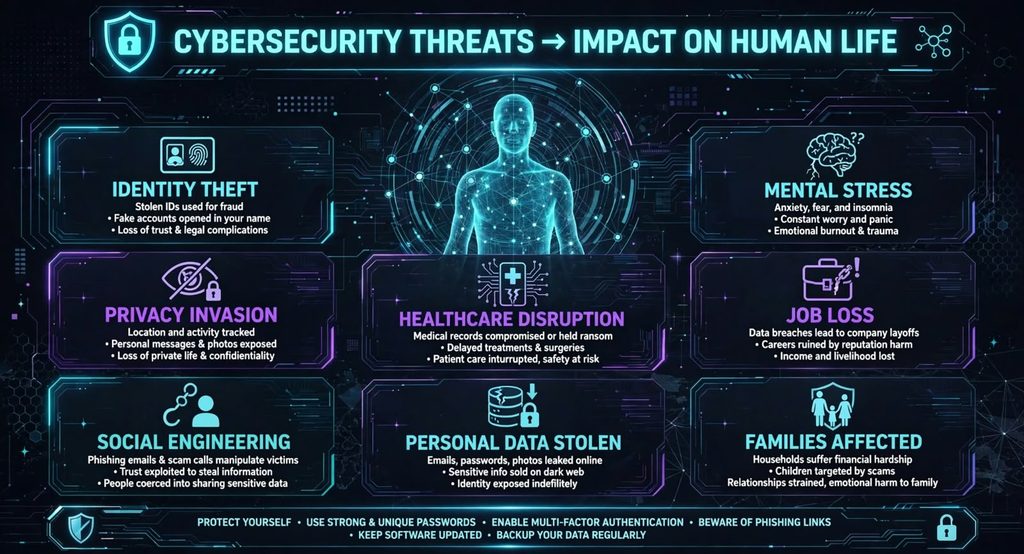
Artificial intelligence can analyze large amounts of software code, recognize unusual patterns, and help security researchers identify weaknesses that might otherwise remain unnoticed.
These capabilities can benefit defenders by accelerating security testing and helping teams investigate potential problems. However, attackers may also use advanced tools to search for weaknesses, automate parts of their operations, and prepare attacks more quickly.
A Reuters report published on October 23, 2026 discussed concerns among cybersecurity professionals that AI-assisted vulnerability discovery could increase pressure on organizations responsible for securing internet-connected systems.
This does not mean every AI system is dangerous or that every website is under immediate attack. Instead, it means organizations may have less time to respond when serious weaknesses become known.
Security teams must increasingly combine automated detection with careful testing, reliable updates, monitoring, and human decision-making.
One reason AI cybersecurity threats deserve attention is that automated tools can help both security professionals and malicious actors identify software weaknesses more quickly.
Why Website Owners Should Pay Attention
A website can contain valuable information even if it does not operate an online store. User accounts, email addresses, contact forms, unpublished articles, administrative credentials, and customer enquiries may all require protection.
A compromised website could experience several problems:
- Data exposure: Private information could be accessed without authorization.
- Website disruption: Visitors might be unable to access pages or services.
- Malicious content: Attackers could insert harmful scripts, unwanted redirects, or fraudulent pages.
- Reputational damage: Visitors may lose confidence in a website that has been compromised.
- Financial losses: Recovery, professional assistance, and interrupted business activity may create additional costs.
Small websites are not automatically safe because they have fewer visitors. Automated attacks may target software weaknesses across many websites without selecting victims individually.
For this reason, website security is relevant to independent publishers and small businesses as well as large organizations.
What WordPress Users Should Do Now
WordPress powers a large number of websites, including blogs, news platforms, and online business websites. Its flexibility is valuable, but the software, themes, plugins, and hosting environment must be maintained properly.
Website owners should begin with these practical steps.
For small businesses and independent publishers, AI cybersecurity threats highlight the importance of securing customer information, website accounts, and business data.
1. Update WordPress, Themes, and Plugins
Check your WordPress dashboard for available updates. Review the official release information and install security fixes appropriate to your website.
Before major updates, create a backup and confirm that you can restore the website if something goes wrong.
Do not install updates from unknown websites or download unofficial copies of premium plugins. Modified software can contain malicious code.
2. Remove Unnecessary Plugins
Every additional plugin introduces code that may require maintenance. Review your installed plugins and remove those you no longer need.
Keep essential plugins updated, and choose reputable developers who provide security fixes and ongoing support.
Avoid installing several plugins that perform the same function unless there is a clear reason to do so.
3. Strengthen Administrator Accounts
Use unique, strong passwords for WordPress, hosting accounts, and associated email accounts. Enable two-factor authentication wherever available.
Limit administrator access to trusted people who genuinely need it. If a staff member no longer works on the website, review and revoke unnecessary access.
Never share administrator credentials through public messages or unsecured documents.
4. Create Reliable Backups
A backup provides a recovery option if a website is damaged, compromised, or accidentally broken during an update.
Keep regular copies of website files and databases. Whenever possible, maintain at least one backup outside the main hosting environment.
Periodically test the restoration process. A backup that cannot be restored may offer little practical protection during an emergency.
5. Check Hosting and Server Security
Website security is not limited to WordPress itself. Hosting software, server configurations, databases, and supporting programming languages can also contain vulnerabilities.
Ask your hosting provider whether your environment uses supported software versions and whether critical security updates have been applied.
If you manage your own server, review official security advisories and verify that the versions you use are not affected by known vulnerabilities.
How Ordinary Internet Users Can Stay Safe
Website operators have a major responsibility to protect their services, but internet users can also reduce their exposure to common attacks.
First, avoid reusing passwords across different accounts. If one service experiences a breach, unique passwords can help prevent attackers from using the same credentials elsewhere.
Second, install security updates for your phone, computer, browser, and applications. Updates often address weaknesses that could otherwise be exploited.
Third, be cautious about unexpected emails and messages claiming that your account is compromised. Criminals may use alarming cybersecurity news to persuade people to open fraudulent links or reveal login details.
Understanding AI cybersecurity threats 2026 helps website owners recognize emerging risks and take preventive steps before security problems affect their visitors or business operations.
Instead of clicking an unexpected link, visit the relevant service through its official application or by typing its known address into your browser.
Finally, monitor financial transactions and enable account alerts when available. Contact your bank through an official channel if you notice suspicious activity.
These steps cannot eliminate every risk, but they can make many common attacks more difficult.
Can AI Protect Websites From AI-Powered Attacks?
AI-based security tools can help organizations identify unusual traffic, analyze logs, detect suspicious behavior, and prioritize potential vulnerabilities.
However, these tools should support a broader security strategy rather than replace it.
Automated systems may produce false alarms, miss certain threats, or require expert configuration. An organization that purchases a security product but ignores software updates and access controls can still leave important weaknesses unresolved.
An effective approach combines appropriate security software, regular maintenance, reliable backups, staff awareness, and a clear incident response plan.
For small website owners, basic measures such as updating software, using strong authentication, and maintaining backups are sensible starting points before investing in more complex systems.
Although AI can strengthen security monitoring, addressing AI cybersecurity threats still requires regular software updates, strong passwords, and reliable backup procedures.
What This Means for the Future of Online Security
The latest developments suggest that cybersecurity teams will need to respond more quickly as automated tools improve. Developers may need to review software more frequently, hosting companies may face increased pressure to patch vulnerable systems, and website owners may need better visibility into the software running their websites.
There is also a growing need for responsible AI use. Security researchers can use AI to identify and repair weaknesses, but organizations must ensure that testing is authorized and that sensitive information is handled carefully.
For digital publishers, reliable security is especially important because readers depend on websites for information. A trustworthy publication should protect its administrative accounts, preserve its content, and communicate clearly if a security incident affects readers.
No security system can promise complete protection. Nevertheless, timely updates, careful access management, and tested recovery procedures can substantially improve an organization’s readiness.
As technology advances, monitoring AI cybersecurity threats will remain important for organizations that want to strengthen their digital defenses and maintain reliable online services.
Frequently Asked Questions
What are AI cybersecurity threats in 2026?
AI cybersecurity threats in 2026 include risks associated with AI-assisted vulnerability discovery, automated attacks, phishing, and the misuse of intelligent software tools. AI can also help defenders identify and address security problems.
Is WordPress safe to use in 2026?
WordPress can be operated securely when it is properly maintained. Security depends on the WordPress version, plugins, themes, hosting environment, account protection, and the way the website is managed.
How can I protect my website from hackers?
Keep software updated, use strong unique passwords, enable two-factor authentication, remove unnecessary plugins, maintain reliable backups, and ask your hosting provider about server security.
Can artificial intelligence hack any website?
No. AI does not automatically bypass every security measure or make every website vulnerable. Successful attacks depend on factors such as software weaknesses, system configuration, access controls, and the attacker’s capabilities.
For bloggers and online publishers, following developments related to AI cybersecurity threats 2026 can help them make better decisions about website maintenance, data protection, and digital safety.
Final Thoughts
The cybersecurity developments reported in October 2026 are a reminder that digital safety requires continuous attention. Artificial intelligence offers powerful ways to discover and fix software weaknesses, but it can also accelerate the work of malicious actors.
For website owners, the most useful response is practical rather than fearful: maintain software, protect administrator accounts, create tested backups, and follow trustworthy security advisories.
Whether you operate a personal blog, an online store, or a news website, taking these precautions can help protect your content, your visitors, and your digital reputation.
WeeklyFest will continue covering technology developments, online safety, and practical digital guidance to help readers make informed decisions.