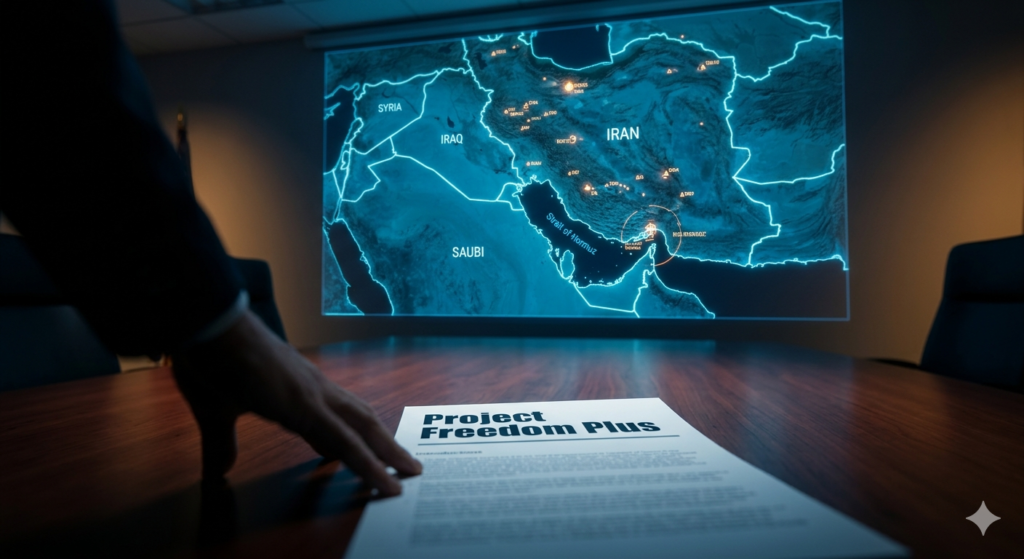

The world is currently watching a high-stakes game of geopolitical chess as former President Donald Trump introduces a massive new variable: the Trump Project Freedom Plus. After months of a devastating regional war that began in early 2026, a fragile ceasefire is finally in place. However, Trump has made it clear that this pause in fighting is not permanent. He has issued a stern warning to Tehran, stating that if a comprehensive peace deal is not finalized immediately, he will authorize a military campaign unlike anything seen before.
This development comes at a time when the Middle East is exhausted from missile exchanges and drone strikes. While diplomats are working around the clock to turn a temporary truce into a lasting settlement, the threat of Trump Project Freedom Plus looms over the negotiations. For many, this ultimatum represents the final push to force Iran to the table—or the beginning of a much more intense chapter of the conflict.
The Violent Origins of the 2026 Conflict
To understand the weight of the current threat, we must look back at how the situation escalated. The war broke out in late February 2026, following a series of direct strikes between Iran, Israel, and the United States. What followed was a month of high-intensity warfare that reshaped regional security.
The Scale of the Iranian Offensive
During the peak of the hostilities, Iran launched an unprecedented number of long-range weapons. Reports indicate that over 2,500 drones and approximately 1,300 missiles were fired at targets across the region. These attacks were not just aimed at military outposts; they struck civilian infrastructure and military assets of US allies in the Gulf.
Impact on Regional Allies
Bahrain and the UAE were particularly hard hit by these strikes. This level of aggression forced the United States to launch the original Project Freedom, a naval mission designed to protect commercial shipping in the Strait of Hormuz. However, the current pause in that mission has now led to the looming shadow of Trump Project Freedom Plus if diplomacy fails.
From Ceasefire to Stalled Negotiations
By April 8, 2026, the sheer cost of the war led to a Pakistan-mediated ceasefire. This truce was signed in Islamabad and brought a temporary end to the falling missiles. For the first time in weeks, the skies over the Middle East were relatively clear of drones.
However, a ceasefire is not a peace treaty. While the US military paused its bombing campaign, they maintained a strict naval blockade of Iranian traffic. The goal was to pressure Tehran into accepting a permanent settlement. Despite the US president indicating that talks were “closest to a deal” than ever before, negotiations have hit a wall. If this wall isn’t broken, the Trump Project Freedom Plus military plan is the designated next step.
The Core of the Trump Project Freedom Plus Threat
As the diplomatic process slows down, Trump has grown impatient. He has announced that the “pause” he granted for talks is nearing its end. If Iran does not sign the deal, the military will transition from the protective Project Freedom to the aggressive Trump Project Freedom Plus.
What Makes the “Plus” Different?
The “Plus” in the name signifies an escalation in both scale and intent. Trump has described this new phase as going a “different route” with “other things” added to the original framework. It moves away from merely escorting tankers and shifts toward a posture of “Project Freedom plus other things” aimed at neutralizing Iran’s offensive capabilities.
Advanced Military Components
While the original mission focused on maritime security, Trump Project Freedom Plus is expected to include a wider range of military assets. This could include:
- More frequent and heavier aerial bombardments.
- Stricter control over all maritime movement in the Strait of Hormuz.
- Expanded rules of engagement for US naval forces.
- Targeting of Iranian-affiliated vessels and drone launch sites.
Domestic Security and the Bahrain Crackdown
The threat from Iran is not just external; it is also internal. As the US pushes for a deal with the threat of Trump Project Freedom Plus, regional allies are cleaning house. On May 9, 2026, authorities in Bahrain announced significant measures to protect national security, receiving support from Saudi Arabia.
These crackdowns target individuals linked to the IRGC and other organized networks that supported Iranian aggression during the war. This shows that nations in the Gulf are no longer willing to tolerate foreign interference while they are under threat of renewed conflict. The pressure from Trump Project Freedom Plus serves as a signal to these allies that the US remains committed to their security.
The Economic Weapon: Oil and Global Markets
The threat of Trump Project Freedom Plus is also a financial one. The Strait of Hormuz is the world’s most vital energy artery. During the conflict, any news of a potential deal caused oil prices to fluctuate significantly.
By threatening to unleash a “higher level” of military force through the Trump Project Freedom Plus plan, the administration is signaling to global markets that the current stability is artificial. He is using the threat of market chaos to pressure global powers to push Iran toward a final signature. This strategy of gradual pressure aims to control tensions while leaving all military options on the table.
Potential Outcomes of the Ultimatum
There are three main ways the situation involving Trump Project Freedom Plus could play out in the coming weeks:
- Diplomatic Breakthrough: Iran accepts the terms to avoid the escalation of the Trump Project Freedom Plus campaign.
- Continued Stalemate: The ceasefire holds tenuously without a final deal, keeping the region in a state of high alert.
- Total Escalation: Negotiations fail entirely, leading the US to initiate Trump Project Freedom Plus and restart the bombing campaign.
Final Thoughts
The emergence of the Trump Project Freedom Plus ultimatum has brought the region to its most critical junction since the war began. On one side is a comprehensive peace deal that could stabilize the Middle East for years. On the other is an intensified military campaign that promises significant disruption for those who refuse to negotiate.
As of May 10, 2026, the ball is entirely in Tehran’s court. The world is waiting to see if the threat of Trump Project Freedom Plus is enough to secure a lasting peace, or if the Middle East is about to enter its darkest chapter yet.
What do you think? Can an ultimatum like Trump Project Freedom Plus truly lead to peace, or is it a recipe for disaster? Let us know your thoughts in the comments below.
Read Other Interesting news here: Bolsonaro Prison Sentence