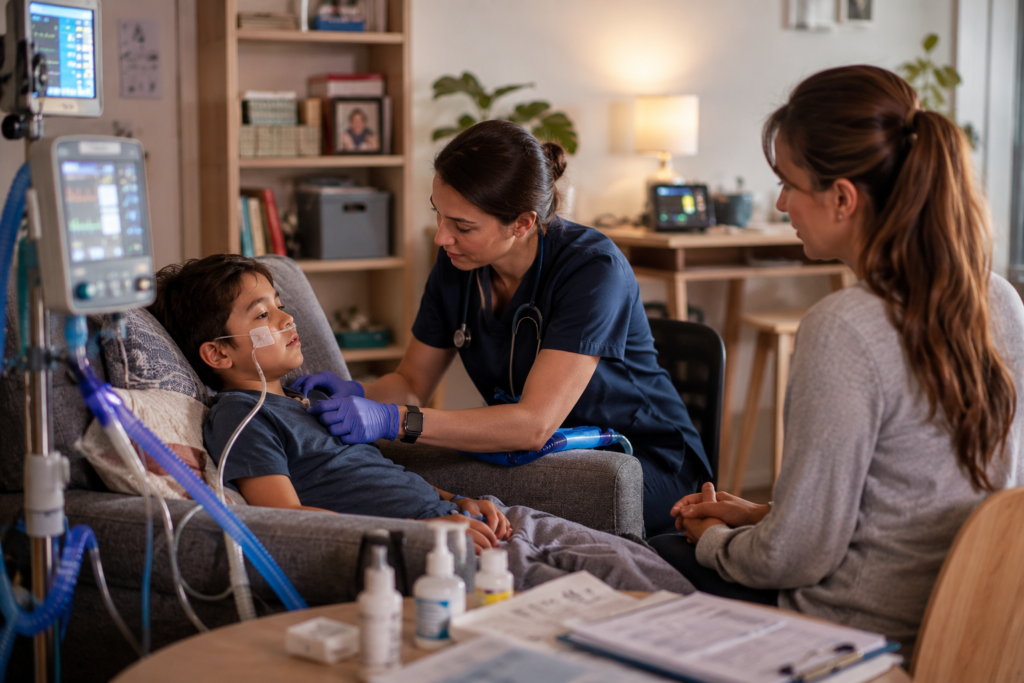

The issue of home healthcare safety is receiving urgent attention after new research revealed that more than one in 10 children with medical complexity experience safety events while receiving care at home.
- What the New Research Found: Home Healthcare Safety
- Why Home Healthcare Is Becoming More Common: Home Healthcare Safety
- Common Risks in Home Healthcare Settings: Home Healthcare Safety
- Caregiver Stress Is a Growing Issue: Home Healthcare Safety
- Communication Problems Can Increase Risks: Home Healthcare Safety
- Technology Could Improve Home Healthcare Safety: Home Healthcare Safety
- Why Policymakers Are Paying Attention: Home Healthcare Safety
- Families Continue Showing Incredible Strength: Home Healthcare Safety
- Final Thoughts
For many families, home healthcare offers comfort, flexibility, and the chance for children to remain in familiar surroundings instead of hospitals. However, the new findings highlight growing concerns about the challenges caregivers and healthcare workers face outside traditional medical settings.
Experts say the study shines a light on the hidden risks families manage every day while caring for medically fragile children at home.
What the New Research Found: Home Healthcare Safety
Researchers examined safety events involving children with complex medical conditions who receive healthcare services at home.
The findings showed that safety incidents affected more than 10 percent of these children.
These incidents included problems linked to:
- Medical equipment
- Medication management
- Communication failures
- Care coordination
- Home nursing support
The study raised concerns about how healthcare systems support families caring for children with serious medical needs outside hospitals.
Why Children With Medical Complexity Need Extra Care
Children with medical complexity often depend on specialized healthcare support every day.
Many require:
- Feeding tubes
- Breathing support
- Multiple medications
- Mobility assistance
- Frequent monitoring
Because their medical conditions are often severe, even small mistakes or delays can create serious health risks.
Families caring for these children frequently manage complicated treatment routines at home.
Why Home Healthcare Is Becoming More Common: Home Healthcare Safety
Home healthcare has expanded significantly in recent years.
Many hospitals and healthcare systems now encourage care at home whenever possible because it can reduce costs and improve quality of life.
Families Prefer Familiar Environments
Parents often feel children recover better in familiar surroundings.
Home care may also provide:
- Greater emotional comfort
- Reduced hospital stress
- Better family involvement
- More flexible routines
For children with long-term medical conditions, staying home can improve emotional wellbeing and daily stability.
Hospitals Face Increasing Pressure
Healthcare systems worldwide continue dealing with staffing shortages and rising costs.
As a result, hospitals increasingly rely on home-based care models to reduce pressure on inpatient services.
However, experts warn that homes are not designed like hospitals, which creates additional safety challenges.
Common Risks in Home Healthcare Settings: Home Healthcare Safety
Providing advanced medical care at home can be difficult, especially when families must manage complex equipment and treatment plans.
The study highlighted several areas where problems often occur.
Medication Errors Remain a Major Concern
Medication management is one of the biggest risks in home healthcare.
Children with medical complexity may take multiple medications every day, sometimes with strict timing requirements.
Potential problems include:
- Incorrect dosages
- Missed medications
- Confusing instructions
- Drug interaction risks
Without direct hospital supervision, families often carry enormous responsibility for managing treatment safely.
Medical Equipment Problems Can Be Dangerous
Many medically complex children depend on equipment such as:
- Oxygen systems
- Feeding pumps
- Ventilators
- Monitoring devices
Equipment malfunctions or incorrect usage can quickly become serious emergencies.
Unlike hospitals, homes may not always have immediate technical support available.
Caregiver Stress Is a Growing Issue: Home Healthcare Safety
Caring for medically complex children at home can place heavy emotional and physical pressure on families.
Parents often become full-time caregivers while also managing jobs, finances, and household responsibilities.
Families Face Constant Pressure
Many caregivers experience:
- Sleep deprivation
- Emotional exhaustion
- Financial stress
- Anxiety about emergencies
Experts say caregiver burnout can increase the likelihood of mistakes and reduce overall care quality.
Support systems remain extremely important for these families.
Home Nurses Also Face Challenges
Home healthcare nurses often work independently without the immediate backup available in hospitals.
This can make difficult situations even harder to manage.
Staff shortages in home healthcare services may also increase workloads and reduce consistency of care.
Communication Problems Can Increase Risks: Home Healthcare Safety
Clear communication plays a major role in healthcare safety.
When multiple caregivers, nurses, doctors, and specialists are involved, communication mistakes can happen more easily.
Coordination Between Providers Is Critical
Children with complex conditions may see several medical specialists at the same time.
Important information must be shared accurately between:
- Hospitals
- Home nurses
- Pediatricians
- Therapists
- Family caregivers
Poor communication can lead to treatment delays or conflicting care instructions.
Families Often Become the Main Coordinators
Parents frequently act as the central communication link between healthcare providers.
This responsibility can become overwhelming, especially during medical emergencies or sudden health changes.
Experts say healthcare systems should improve coordination support for families.
Technology Could Improve Home Healthcare Safety: Home Healthcare Safety
New healthcare technology may help reduce some risks in home care settings.
Digital systems are increasingly being used to improve monitoring and communication.
Remote Monitoring Is Expanding
Some healthcare providers now use remote monitoring systems that allow doctors and nurses to track patients from a distance.
These systems can help detect problems earlier and improve emergency response times.
Technology may support:
- Vital sign monitoring
- Medication reminders
- Video consultations
- Equipment alerts
However, experts caution that technology alone cannot replace skilled human care.
Better Training Could Make a Difference
Researchers and healthcare professionals emphasize the importance of stronger caregiver education.
Families and home healthcare workers may benefit from:
- Emergency response training
- Equipment instruction
- Medication safety education
- Communication guidance
Improved preparation could help reduce preventable safety events.
Why Policymakers Are Paying Attention: Home Healthcare Safety
As home healthcare grows, policymakers and healthcare leaders are under pressure to improve oversight and support systems.
The study’s findings may encourage new discussions about healthcare safety standards.
Healthcare Systems Need Better Support Structures: Home Healthcare Safety
Experts argue that families should not carry the full burden of complex medical care alone.
Potential improvements may include:
- Better staffing support
- Stronger emergency systems
- Expanded home nursing access
- Improved care coordination
- More mental health support for caregivers
These measures could improve both patient safety and caregiver wellbeing.
Families Continue Showing Incredible Strength: Home Healthcare Safety
Despite the challenges, families caring for medically complex children continue demonstrating remarkable resilience every day.
Many parents become highly skilled caregivers while balancing emotional and financial pressures.
Healthcare experts often describe these families as essential partners in the medical system.
Their experiences are helping shape future discussions about safer and more effective home healthcare models.
Final Thoughts
The growing concerns around home healthcare safety highlight the difficult reality many families face while caring for children with complex medical conditions.
Although home care offers emotional comfort and flexibility, the new research shows that serious safety risks remain. Medication mistakes, equipment problems, communication failures, and caregiver stress can all affect the quality of care children receive at home.
As healthcare systems continue shifting more services outside hospitals, stronger support systems will become increasingly important. Better training, improved coordination, and expanded caregiver resources may help reduce preventable safety events in the future.
For families already carrying enormous responsibility, safer home healthcare could make a life-changing difference.
Read Other Interesting news here: Raul Castro Indictment