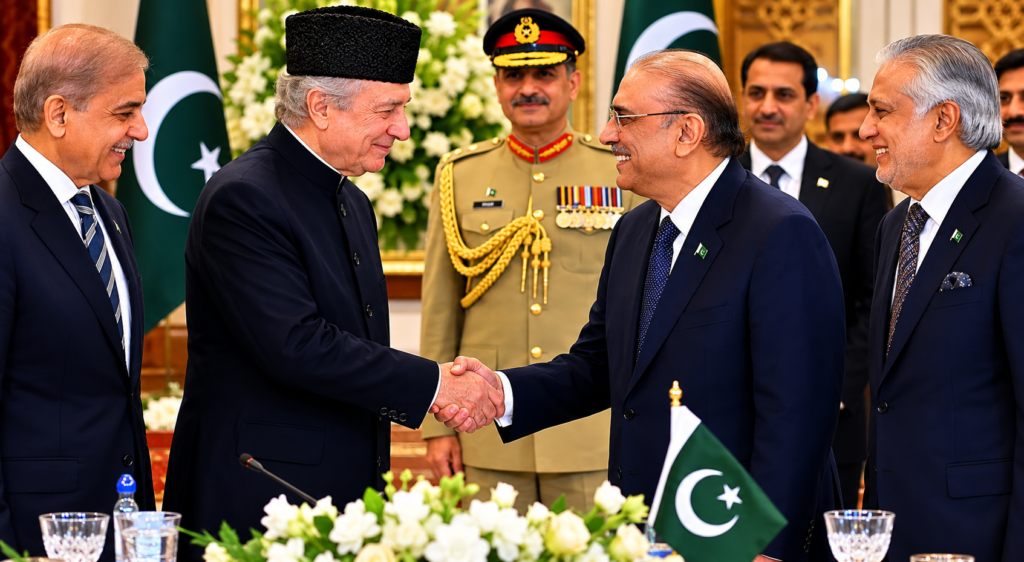

The recent discussions involving Aga Khan Pakistan relations have drawn major national attention after Prince Rahim al-Hussaini Aga Khan V reaffirmed his commitment to supporting development efforts in Pakistan.
- High-Level Meeting Draws National Attention: Aga Khan Pakistan
- Who Is Prince Rahim al-Hussaini Aga Khan V?
- Education Remains a Major Priority: Aga Khan Pakistan
- Healthcare Cooperation Remains Important: Aga Khan Pakistan
- Development Work in Northern Pakistan: Aga Khan Pakistan
- Pakistan Seeks Stronger Development Partnerships: Aga Khan Pakistan
- Public-Private Cooperation Is Expanding: Aga Khan Pakistan
- International Development Support Still Matters: Aga Khan Pakistan
- Why the Meeting Matters Politically: Aga Khan Pakistan
- Final Thoughts
During high-level meetings with Pakistani leadership, both sides emphasized cooperation in education, healthcare, social welfare, and long-term development initiatives. The discussions reflected the historic relationship between Pakistan and the Aga Khan Development Network, which has played an important role in several sectors across the country for decades.
The meeting also highlighted Pakistan’s ongoing efforts to strengthen partnerships focused on social progress and economic opportunity.
High-Level Meeting Draws National Attention: Aga Khan Pakistan
The meeting between President Asif Ali Zardari and Prince Rahim al-Hussaini Aga Khan V was viewed as an important diplomatic and developmental engagement.
According to reports, the discussions focused on continuing cooperation aimed at improving the lives of people across Pakistan.
A banquet was also held in honour of the Aga Khan, attended by:
- Prime Minister Shehbaz Sharif
- Chief of Army Staff Field Marshal Asim Munir
- Deputy Prime Minister Ishaq Dar
The gathering reflected the significance of the relationship between Pakistan and the Aga Khan Development Network.
Focus on Shared Development Goals
Pakistani leadership emphasized shared commitment toward:
- Education
- Healthcare
- Community development
- Poverty reduction
- Social welfare
Officials praised the contributions made through development projects over the years.
The discussions also explored ways to continue strengthening cooperation in the future.
Who Is Prince Rahim al-Hussaini Aga Khan V?
Prince Rahim al-Hussaini Aga Khan V is the spiritual leader of the Ismaili Muslim community and head of the Aga Khan Development Network.
The Aga Khan institutions operate across several countries and focus on long-term social and economic development.
Their work often includes:
- Schools and universities
- Hospitals and healthcare facilities
- Rural development projects
- Cultural preservation
- Economic support programmes
Pakistan has remained one of the key countries where these initiatives have operated for decades.
Longstanding Relationship With Pakistan
The Aga Khan family has maintained close ties with Pakistan since the country’s early years.
Development projects supported by Aga Khan institutions have contributed to sectors such as:
- Education
- Public health
- Tourism
- Rural infrastructure
Many communities in northern Pakistan have especially benefited from these programmes.
Education Remains a Major Priority: Aga Khan Pakistan
Education continues to be one of the strongest areas of focus for Aga Khan institutions in Pakistan.
Several schools, universities, and educational programmes linked to the network operate across the country.
Aga Khan University’s National Role
Aga Khan University remains one of Pakistan’s most respected educational and medical institutions.
The university has contributed significantly to:
- Medical education
- Nursing training
- Scientific research
- Public health programmes
Its hospitals and teaching facilities are widely recognized for high-quality healthcare services.
Community Education Programmes Continue Expanding
Beyond universities, Aga Khan institutions also support community-level education initiatives in rural and underserved areas.
These programmes aim to improve:
- Literacy
- Teacher training
- Girls’ education
- Access to quality learning
Education is widely viewed as a key part of long-term development in Pakistan.
Healthcare Cooperation Remains Important: Aga Khan Pakistan
Healthcare was another major theme during the discussions.
Pakistan continues facing significant healthcare challenges, especially in remote and underserved regions.
Hospitals and Medical Services Have Expanded
Aga Khan healthcare institutions have supported:
- Modern hospitals
- Rural clinics
- Preventive health programmes
- Medical training
These services have helped improve healthcare access for many communities.
Healthcare experts often point to partnerships between public and private institutions as essential for improving national healthcare systems.
Focus on Long-Term Public Health
Public health issues such as maternal care, child health, and disease prevention remain important priorities.
Development organisations increasingly focus on building sustainable healthcare systems rather than short-term aid projects alone.
Development Work in Northern Pakistan: Aga Khan Pakistan
Northern Pakistan has historically been one of the key regions where Aga Khan development initiatives have operated extensively.
Mountain communities often face geographic and economic challenges that make development more difficult.
Rural Infrastructure Projects Changed Communities
Over the years, several projects helped improve:
- Roads
- Water systems
- Agriculture
- Tourism infrastructure
These initiatives helped increase economic opportunities for local populations.
Community-based development approaches have been particularly important in remote mountain areas.
Tourism and Cultural Preservation Matter Too
Northern Pakistan’s cultural heritage and natural beauty have also received support through development and preservation programmes.
Efforts have focused on balancing:
- Tourism growth
- Environmental protection
- Cultural heritage conservation
These initiatives contribute to both economic development and local identity preservation.
Pakistan Seeks Stronger Development Partnerships: Aga Khan Pakistan
Pakistan continues searching for stronger partnerships that support long-term economic and social progress.
Government officials increasingly emphasize cooperation with organisations that focus on sustainable development.
Public-Private Cooperation Is Expanding: Aga Khan Pakistan
Development experts often argue that cooperation between governments and independent institutions can improve outcomes in critical sectors.
Areas receiving increasing attention include:
- Healthcare access
- Education reform
- Climate resilience
- Youth employment
Such partnerships may become even more important as Pakistan addresses future economic and social challenges.
International Development Support Still Matters: Aga Khan Pakistan
Global economic pressures have increased the importance of development cooperation for many countries.
Pakistan continues engaging with international institutions and development networks to support national progress goals.
Why the Meeting Matters Politically: Aga Khan Pakistan
The high-profile nature of the meeting also carried political and diplomatic importance.
The participation of senior civilian and military leadership reflected the significance attached to the relationship.
Symbol of Stability and Cooperation: Aga Khan Pakistan
Analysts say such meetings help reinforce Pakistan’s image as a country open to development partnerships and long-term cooperation.
The discussions also highlighted efforts to maintain stability and encourage international engagement during challenging economic conditions.
Final Thoughts
The recent discussions surrounding Aga Khan Pakistan relations highlighted the continued importance of development partnerships focused on education, healthcare, and social progress.
Prince Rahim al-Hussaini Aga Khan V’s commitment to supporting development initiatives was welcomed by Pakistan’s leadership, which emphasized shared goals for improving lives across the country.
As Pakistan continues addressing economic and social challenges, partnerships with experienced development organisations may play a critical role in building stronger communities and expanding opportunities for future generations.
The meeting also served as a reminder that long-term development often depends on cooperation, trust, and sustained investment in people.
Read Other Interesting news here: Raul Castro Indictment