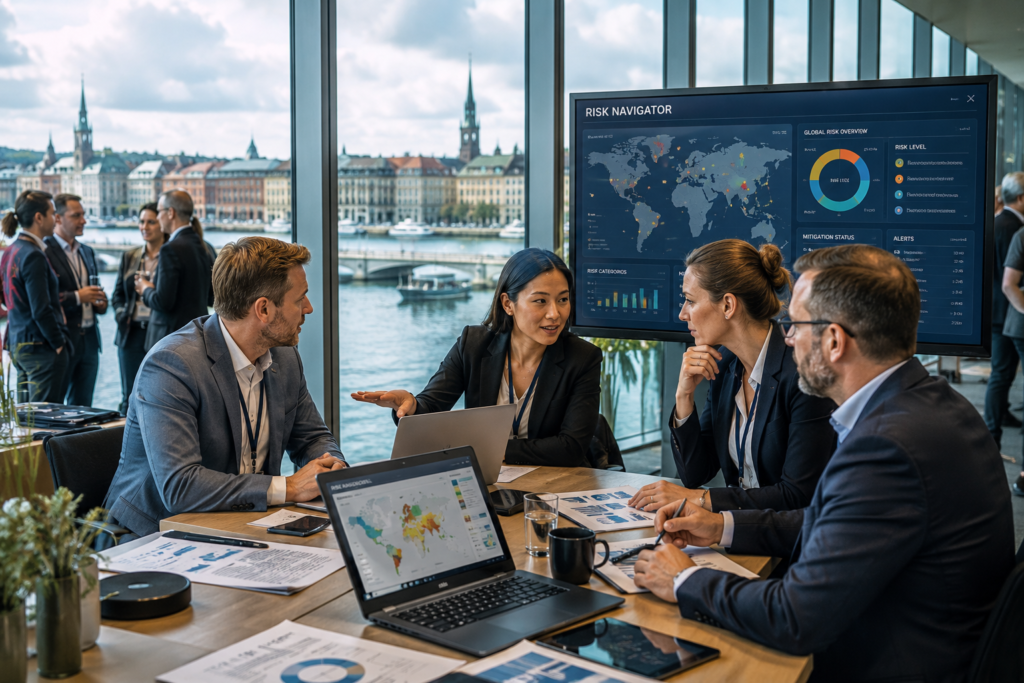

The launch of the Copenhagen Risk Navigator is changing how business events are planned in an increasingly uncertain world. As global conferences face growing challenges linked to security, climate risks, cyber threats, and operational disruptions, Copenhagen is positioning itself as a leader in safer event management.
- What Is the Copenhagen Risk Navigator?
- Why Risk Management Matters More Than Ever: Copenhagen Risk Navigator
- Copenhagen Wants to Lead in Sustainable and Safe Events
- How the Risk Navigator Could Help Event Organisers
- Technology Is Changing Event Management
- Climate Risks Are Affecting Global Conferences
- The Global Meetings Industry Is Rapidly Evolving
- Final Thoughts
The new initiative aims to help event organisers prepare for risks before problems happen. Instead of reacting to emergencies at the last moment, planners can now use smarter strategies to reduce uncertainty and improve decision-making.
For the global meetings and events industry, this development arrives at an important time.
What Is the Copenhagen Risk Navigator?
The Copenhagen Risk Navigator is a new tool created to support safer and more resilient business events.
The initiative was introduced by Wonderful Copenhagen, the Danish capital’s official tourism organisation focused on meetings, conferences, and destination development.
The platform is designed to help organisers identify potential risks connected to international events and improve preparedness planning.
Why the Tool Was Developed
Business events have become more complex in recent years.
Organisers now face challenges linked to:
- Extreme weather
- Political instability
- Cybersecurity threats
- Health emergencies
- Transportation disruptions
- Crowd management
The Copenhagen Risk Navigator was developed to help planners better understand these risks and create stronger event strategies.
Officials believe proactive planning can improve both safety and overall event quality.
Why Risk Management Matters More Than Ever: Copenhagen Risk Navigator
The global events industry has changed dramatically after recent international crises and disruptions.
Conference organisers can no longer focus only on logistics and attendee experience. Risk management has become a core part of event planning.
Business Events Face Growing Uncertainty
International events now involve participants traveling from different countries, often across complicated global networks.
Even small disruptions can create serious operational problems.
Common event risks now include:
- Flight cancellations
- Cyber attacks
- Severe weather conditions
- Technical failures
- Security incidents
- Supply chain delays
As a result, organisers increasingly seek tools that improve preparedness and resilience.
Delegates Expect Better Safety Planning
Attendees also expect stronger safety standards when attending global conferences.
Companies investing large amounts of money into international events want reassurance that organisers can handle emergencies effectively.
This shift has pushed destinations like Copenhagen to invest more heavily in risk preparedness systems.
Copenhagen Wants to Lead in Sustainable and Safe Events
Copenhagen has already built a strong reputation for sustainability and smart urban planning.
The city is now expanding that reputation into the meetings and events industry.
Combining Sustainability With Safety
The Copenhagen Risk Navigator reflects a broader strategy that combines:
- Sustainability
- Crisis preparedness
- Responsible tourism
- Long-term resilience
Officials believe future business events must be both environmentally responsible and operationally secure.
This approach aligns with Copenhagen’s wider goals around innovation and sustainable urban development.
A Competitive Advantage for Copenhagen
The global meetings industry is highly competitive.
Cities around the world compete to attract:
- International conferences
- Corporate events
- Industry exhibitions
- Trade summits
By introducing advanced planning tools, Copenhagen hopes to strengthen its position as a trusted destination for major global events.
How the Risk Navigator Could Help Event Organisers
One of the most important features of the Copenhagen Risk Navigator is its focus on practical planning.
Instead of offering general advice, the platform helps organisers think through specific scenarios and vulnerabilities.
Better Decision-Making Before Events
Risk planning works best when problems are identified early.
The platform encourages planners to evaluate areas such as:
- Venue security
- Emergency response
- Communication systems
- Transportation access
- Digital infrastructure
- Crowd flow management
Early planning can reduce confusion during emergencies and improve coordination between teams.
Stronger Collaboration Between Stakeholders
Large business events involve multiple groups working together.
These often include:
- Hotels
- Venue operators
- Local authorities
- Transport providers
- Security teams
- Event organisers
The Risk Navigator encourages closer cooperation between these stakeholders to improve overall preparedness.
Technology Is Changing Event Management
Technology is playing a bigger role in modern business events.
From digital registration systems to hybrid conferences, organisers now depend heavily on connected platforms.
Cybersecurity Has Become a Major Concern
As events become more digital, cybersecurity risks continue growing.
Hackers can target:
- Registration systems
- Payment platforms
- Event apps
- Internal communications
- Personal attendee data
The Copenhagen Risk Navigator highlights the importance of digital risk awareness alongside physical safety measures.
Data and Planning Tools Improve Preparedness
Modern planning systems allow organisers to monitor risks more efficiently.
Data analysis can help predict potential challenges and improve operational response strategies.
This reflects a wider trend across the global events industry where technology increasingly supports safety planning.
Climate Risks Are Affecting Global Conferences
Climate-related disruptions are becoming more common around the world.
Flooding, storms, heatwaves, and transport disruptions now regularly affect international travel and large gatherings.
Event Planners Must Prepare for Weather Disruptions
Business events often involve thousands of participants.
Unexpected weather conditions can impact:
- Flights
- Accommodation
- Outdoor activities
- Public transportation
- Venue operations
Preparedness planning helps organisers respond faster when disruptions occur.
Sustainable Cities Have an Advantage
Cities investing in resilient infrastructure may become more attractive for future events.
Copenhagen’s reputation for sustainability and urban planning supports its efforts to position itself as a reliable destination for international conferences.
The Global Meetings Industry Is Rapidly Evolving
The business events sector is changing faster than ever.
Hybrid events, remote participation, sustainability demands, and risk awareness are reshaping how conferences are organised.
Flexibility Is Becoming Essential
Event organisers now need flexible systems that can quickly adapt to changing conditions.
This includes:
- Backup planning
- Crisis communication
- Digital alternatives
- Emergency coordination
The Copenhagen Risk Navigator reflects this growing industry focus on resilience and adaptability.
Trust Has Become a Key Factor
Companies and organisations want confidence that event destinations can manage unexpected challenges professionally.
Cities that demonstrate strong preparedness may gain a competitive advantage in attracting future business events.
Final Thoughts
The launch of the Copenhagen Risk Navigator highlights how the global meetings industry is evolving beyond traditional event planning. Safety, resilience, cybersecurity, and climate preparedness are now essential parts of organising successful business events.
By introducing this initiative, Copenhagen is positioning itself as a forward-thinking destination focused on both sustainability and operational security.
As international conferences continue facing new risks and uncertainties, tools like the Copenhagen Risk Navigator may become increasingly important for event organisers worldwide.
The future of business events will likely depend not only on innovation and networking opportunities, but also on how effectively organisers prepare for the unexpected.
Read Other Interesting news here: Raul Castro Indictment