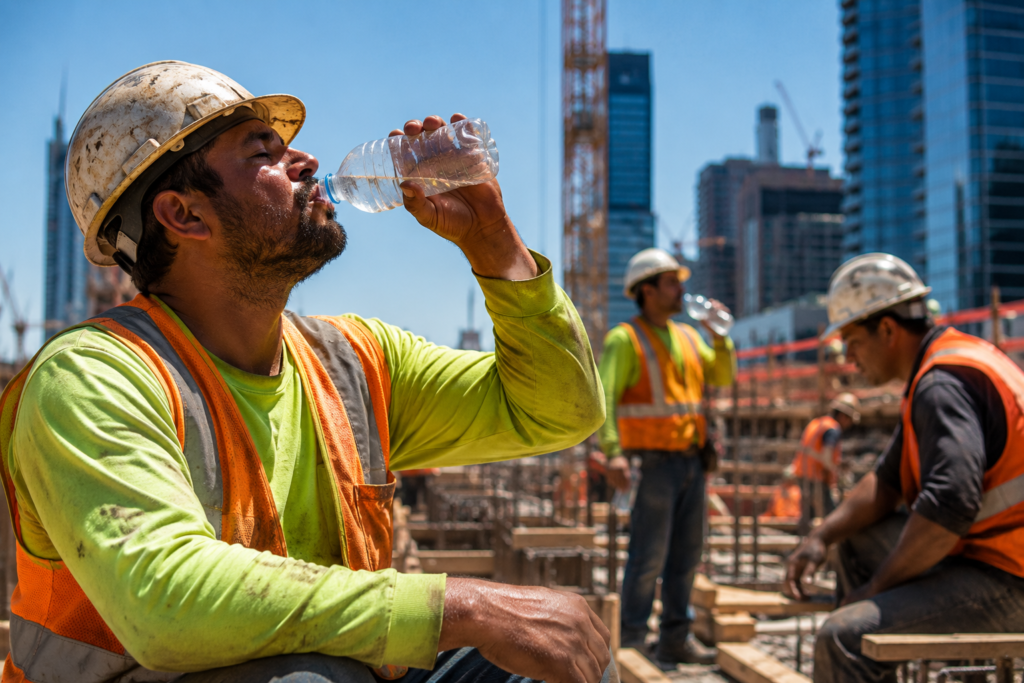

The issue of working in hot weather is becoming more urgent as rising temperatures create growing health and safety risks for workers around the world.
- Why Hot Weather Creates Serious Workplace Risks: Working in Hot Weather
- Outdoor Workers Face the Highest Risk: Working in Hot Weather
- Indoor Workplaces Are Not Always Safe From Heat: Working in Hot Weather
- Climate Change Is Increasing Heat Exposure: Working in Hot Weather
- Hydration and Rest Are Essential: Working in Hot Weather
- Employers Have a Growing Responsibility: Working in Hot Weather
- Technology Could Help Protect Workers: Working in Hot Weather
- Heat Safety Is Becoming a Global Conversation: Working in Hot Weather
- Final Thoughts
From construction sites to warehouses and delivery services, millions of people now face dangerous heat exposure during daily work. Experts warn that extreme temperatures can affect concentration, physical performance, and even long-term health.
As climate conditions continue changing, employers and workers are being pushed to rethink how workplaces operate during hot weather.
Why Hot Weather Creates Serious Workplace Risks: Working in Hot Weather
Heat affects the human body in many ways, especially during physically demanding work.
When temperatures rise too high, the body struggles to cool itself efficiently. This increases the risk of dehydration, exhaustion, and heat-related illness.
Experts say workers often underestimate how quickly heat can become dangerous.
Physical Performance Drops in Extreme Heat
High temperatures force the body to work harder to maintain a safe internal temperature.
This can lead to:
- Faster fatigue
- Muscle weakness
- Reduced concentration
- Slower reaction times
- Increased stress on the heart
For workers performing manual labor, these effects can become especially dangerous.
Even simple tasks may feel significantly harder during extreme heat conditions.
Heat Can Affect Mental Focus Too
Hot weather does not only impact physical health.
Research shows excessive heat may also reduce:
- Decision-making ability
- Alertness
- Attention span
- Coordination
In busy workplaces, reduced concentration can increase the risk of accidents and mistakes.
Outdoor Workers Face the Highest Risk: Working in Hot Weather
People working outdoors often experience the most severe heat exposure.
Construction workers, road crews, agricultural workers, and delivery drivers may spend hours under direct sunlight.
Construction Sites Become Especially Dangerous
Construction workers frequently perform physically intense tasks while wearing protective equipment.
Heavy clothing and helmets can trap heat, making cooling more difficult.
Heat exposure on construction sites may increase the risk of:
- Heat exhaustion
- Dizziness
- Falls
- Dehydration
- Workplace injuries
Employers are increasingly being encouraged to adjust schedules during extreme temperatures.
Agricultural Workers Also Face Challenges
Farm workers often work long hours in open environments with little shade.
Because agricultural work depends heavily on weather conditions, stopping work entirely is not always possible.
This makes proper hydration and rest breaks extremely important.
Indoor Workplaces Are Not Always Safe From Heat: Working in Hot Weather
Many people assume heat risks mainly affect outdoor workers. However, indoor workplaces can also become dangerously hot.
Factories, kitchens, warehouses, and industrial facilities often experience severe heat buildup.
Poor Ventilation Makes Conditions Worse
Indoor heat becomes more dangerous when airflow is limited.
Workplaces without effective cooling systems may trap hot air for long periods.
This can create uncomfortable and unsafe conditions for employees.
Workers in industrial environments may also face additional heat from machinery and equipment.
Productivity Often Falls in Hot Conditions
Studies have shown that workplace productivity can decline during heatwaves.
Employees may need:
- More frequent breaks
- Slower work pace
- Additional recovery time
Businesses may experience reduced efficiency when temperatures become extreme.
Climate Change Is Increasing Heat Exposure: Working in Hot Weather
Experts say climate change is making workplace heat risks more serious and more frequent.
Heatwaves are becoming longer, hotter, and more common in many regions.
Rising Temperatures Affect Global Workforces
Countries across Europe, Asia, North America, and the Middle East have all experienced unusually high temperatures in recent years.
As a result, industries worldwide are facing growing pressure to improve worker protection measures.
Heat-related workplace policies are becoming increasingly important.
Vulnerable Workers Face Greater Risks
Certain groups may be more vulnerable to extreme heat, including:
- Older workers
- Workers with medical conditions
- New employees not adapted to heat
- Pregnant workers
Experts stress the importance of recognizing individual risk factors when managing workplace safety.
Hydration and Rest Are Essential: Working in Hot Weather
One of the most effective ways to reduce heat risk is proper hydration.
Workers can lose large amounts of fluid through sweating, especially during physical activity.
Dehydration Can Become Dangerous Quickly
Even mild dehydration may affect:
- Energy levels
- Focus
- Physical performance
Severe dehydration can become a medical emergency.
Experts recommend workers drink water regularly throughout the day instead of waiting until they feel thirsty.
Rest Breaks Help the Body Recover
Regular breaks in shaded or cooler areas allow the body time to recover from heat exposure.
Many safety experts now encourage employers to schedule more frequent breaks during heatwaves.
Adjusting work hours to cooler parts of the day may also reduce risks.
Employers Have a Growing Responsibility: Working in Hot Weather
Workplace safety laws in many countries require employers to protect workers from preventable risks.
As temperatures rise, heat safety is becoming a larger part of occupational health discussions.
Training and Awareness Matter
Workers need to understand how to recognize signs of heat-related illness.
Important warning signs include:
- Dizziness
- Nausea
- Heavy sweating
- Confusion
- Headaches
- Muscle cramps
Early action can prevent serious medical emergencies.
Employers May Need New Safety Policies
Companies are increasingly being encouraged to develop heat management plans.
These may include:
- Hydration stations
- Cooling areas
- Shift adjustments
- Emergency procedures
- Heat monitoring systems
Better planning can reduce injuries and improve worker wellbeing.
Technology Could Help Protect Workers: Working in Hot Weather
Some companies are exploring technology solutions to improve heat safety.
Wearable devices and monitoring systems may help track worker conditions in real time.
Smart Monitoring Is Expanding: Working in Hot Weather
Advanced systems can monitor:
- Body temperature
- Heart rate
- Environmental heat levels
This information may help employers identify dangerous conditions before workers become seriously ill.
Technology may become increasingly important as extreme weather events continue rising.
Heat Safety Is Becoming a Global Conversation: Working in Hot Weather
Governments, researchers, and workplace safety experts are paying closer attention to heat exposure.
The issue is no longer viewed as a seasonal inconvenience.
Instead, it is increasingly recognized as a major occupational health challenge.
Businesses Must Adapt to Changing Conditions: Working in Hot Weather
Industries that depend on outdoor or physically demanding work may need long-term adjustments to handle rising temperatures safely.
Experts believe future workplaces will require more flexible scheduling, improved cooling systems, and stronger health protections.
Final Thoughts
The growing concerns around working in hot weather highlight how climate conditions are changing the modern workplace. Heat exposure can affect physical health, mental focus, productivity, and overall safety for millions of workers worldwide.
From construction sites to warehouses, employers are facing increasing pressure to improve protection measures and create safer environments during extreme temperatures.
Simple steps like hydration, rest breaks, training, and better planning can make a major difference. As heatwaves become more common, adapting workplace safety practices may become essential for protecting workers in the years ahead.
The future of workplace safety will likely depend on how effectively industries respond to rising global temperatures.
Read Other Interesting news here: Raul Castro Indictment